
Buying Land and Building a House in Idaho: What to Know First

Updated: Jun 14
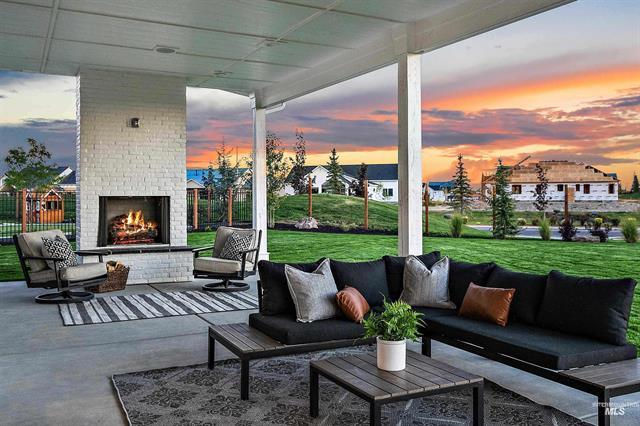
There’s a particular kind of freedom in building on your own land — choosing the view, the privacy, and the exact spot your home will sit. Across the Treasure Valley, from acreage near Eagle and Star to homesites in established communities, more buyers are doing exactly that. But buying land and building is a different journey than buying an existing home, and the lot you fall in love with isn’t always the lot that’s ready to build on.
This guide walks you through what to check before you buy, how to finance land and construction together, and the mistakes that catch first-time builders off guard. At Solitude Homes, we build both in premier Treasure Valley communities and on our clients’ own lots — so we’ve seen what makes a smooth project and what doesn’t.
Can You Buy Land and Build a House at the Same Time?
Yes — and for many buyers, it’s the most efficient path. A construction-to-permanent loan (sometimes called a “one-time close” loan) finances the land purchase and the build under a single loan that then converts into a standard 15- or 30-year mortgage once your home is complete. That means one application and one set of closing costs instead of two. If you already own your land, even better: its value can count as equity toward your down payment, reducing the cash you need up front.
The catch is sequencing. Before financing comes together, you need a lot that’s genuinely build-ready and a builder you trust to price and manage the project. Get those pieces lined up early, and the rest of the process falls into place far more smoothly.
How to Evaluate a Building Lot in the Treasure Valley
Not every parcel is ready for a home, and the difference between a build-ready lot and a problem lot is rarely visible from the road. A little due diligence before you sign protects both your budget and your timeline. Here’s what to investigate — ideally with your builder’s input — before you commit.
Zoning, Setbacks & Deed Restrictions
Confirm the parcel is zoned for a single-family home and check the setbacks, height limits, and lot-coverage rules that govern where and how big you can build. Zoning and allowed uses are administered by Ada County Planning & Zoning or, on the western side of the valley, Canyon County Development Services. Also look for recorded deed restrictions or CC&Rs, which can limit everything from home size to outbuildings.
Utilities, Septic, Well & Soil/Perc Testing
In town, you’ll likely tie into city water and sewer. On rural Treasure Valley land, you may need a private well and a septic system — and that changes your due diligence considerably. Septic systems in Ada, Boise, Elmore, and Valley counties are permitted by Central District Health, which requires a site evaluation and soil/percolation testing to confirm the ground can support a system. You can schedule test holes any time of year, and it’s wise to make a clean perc test a condition of your purchase. For broader standards, the Idaho DEQ is the authority on subsurface sewage. Don’t forget power, natural gas, and internet access while you’re at it.
Access, Slope & Site Prep Costs
Make sure the lot has legal, year-round access — a recorded easement or frontage on a maintained road, not just a path across a neighbor’s field. Then look at the land itself: slope, drainage, soil, and existing trees all affect how much excavation and grading your build will require. Site preparation is one of the most commonly underestimated line items, and a steep or heavily treed lot can cost significantly more to make build-ready than a flat one.
HOA & Community Build Requirements
If your lot sits in a subdivision or planned community, expect an architectural review process. HOAs often set minimum square footage, approved materials and colors, and even build-completion timelines. None of these are dealbreakers, but you’ll want to know them before you fall in love with a floor plan that won’t be approved.
Financing Land and Construction in Idaho
Financing a build works differently than a standard mortgage, and the right structure depends on where you are in the process. There are three common paths.
A land (or lot) loan finances the purchase of the parcel itself when you plan to build later. Because lenders view raw land as higher risk, these often require a larger down payment and carry shorter terms. A construction-only loan covers land, labor, materials, and permits during the build, with interest-only payments while work is underway — but it doesn’t convert to a mortgage, so you’ll refinance into a separate home loan at completion (two closings). A construction-to-permanent loan rolls the land and build into one loan that automatically becomes your mortgage when the home is finished, with a single closing.
Down payments typically run around 20% of the total project, though some programs go lower, and qualified rural buyers may even find no-down USDA options. Remember that owning your land outright can offset much of the cash due at closing. Because terms shift with the market, it’s worth reviewing the CFPB’s guidance on construction loans and talking with a local lender early.
Build on Your Lot vs. Build in a Community
Both paths lead to a custom home; they just start in different places. Building on your own lot offers more land, privacy, and control over location — at the cost of handling utilities, access, and site work yourself, especially on rural parcels. Building in an established community means roads and utilities are already in place and you can start faster, with the trade-off of smaller lots and HOA design standards.
If you’d rather skip the raw-land due diligence, explore our Treasure Valley communities and homesites — including Valnova in Eagle, Idaho. Either way, our build-on-your-own-lot process is designed to guide you from land to move-in with clear communication at every step.
Common Mistakes to Avoid When Buying Land
A few avoidable missteps account for most land-buying regret. Watch for these:
Skipping the perc/site evaluation before closing on rural land.
Not verifying zoning and allowed use (and setbacks) for your intended home.
Underestimating site work — utilities, well, septic, access, and grading.
Overlooking HOA or architectural review requirements and timelines.
Forgetting impact fees and permit timelines set by the city or county.
Buying land before lining up financing and a builder who can confirm it’s build-ready.
Build on Your Land With Solitude Homes
For over two decades, Solitude Homes has built award-winning custom homes across Boise, Eagle, Meridian, and Star — on our clients’ own lots and in the valley’s premier communities alike. If you’ve found a piece of land (or already own one), we can help you confirm it’s ready to build on and design a home that fits it perfectly. Browse floor plans for your lot, or start your on-lot build with a conversation about your property and goals. New to the process? Start with our guides to the steps of building a custom home and what it costs to build in Idaho.
Frequently Asked Questions
Can I get one loan for both the land and the construction?
Yes. A construction-to-permanent (one-time close) loan finances the land and the build together, then converts to a standard mortgage when the home is complete — a single application and one set of closing costs.
Do I need a perc test to build on rural land in the Treasure Valley?
If the lot will use a septic system rather than city sewer, yes. Central District Health requires a site evaluation and soil/percolation testing to permit a septic system. Make a passing test a condition of your land purchase.
How much does site work cost?
It varies widely with slope, soil, access, and utility distance. Flat, build-ready lots near existing services cost far less to prepare than steep or remote parcels needing a well, septic, and a long driveway. Have your builder estimate site work before you buy.
Can Solitude Homes build on land I already own?
Absolutely. We build on client-owned lots throughout the Treasure Valley, and we can help evaluate whether your land is build-ready before you finalize plans.


